🎉 New Feature: Personal Website & Donation Links!
Dear Hentaiers,
We're excited to announce a brand new feature that allows you to showcase your personal website and donation links directly on your profile!
✨ What's New?
Starting today, you can add the following to your profile:
🌐 Personal Website
Share your personal website, portfolio, or blog with the community!
💝 Donation/Support Link
Let your supporters contribute to your work via PayPal, Patreon, Ko-fi, or any other platform!
🏆 How to Unlock This Feature?
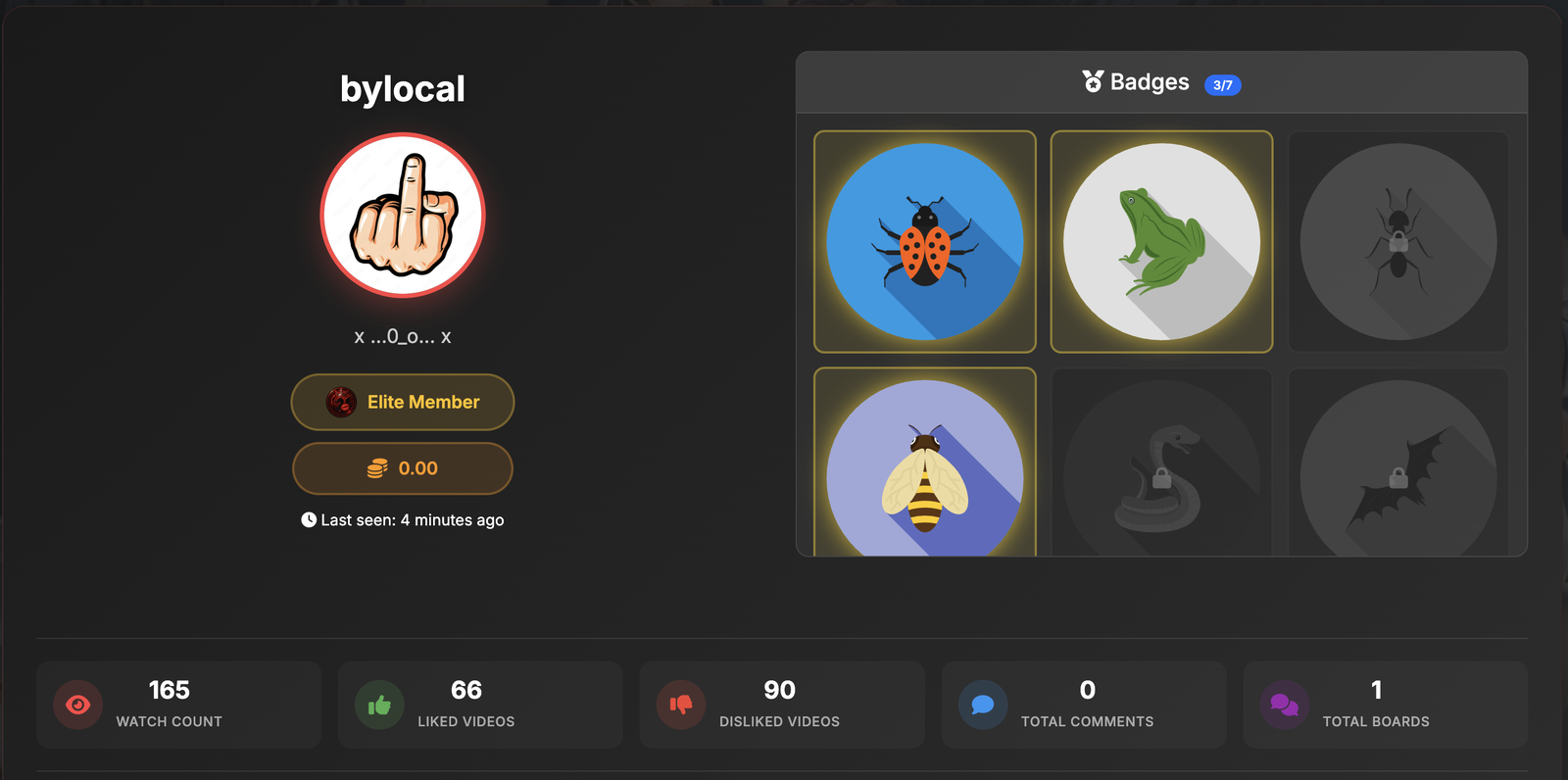
To maintain quality and prevent spam, these fields are exclusive to active community members who have earned the Legend Badge (Badge
#6).
Don't have the badge yet? Stay active, contribute to the community, and you'll earn it soon!
📝 How to Add Your Links?
Go to your Profile Page
Click "Edit Profile"
Scroll to the "Social Links" section
Add your website and/or donation link
Click "Save Changes"
That's it! Your links will now be visible on your public profile for everyone to see.
🔒 Why Badge Requirements?
We want to ensure that our community remains safe and spam-free. The Legend Badge requirement helps us maintain a trustworthy environment where only established members can share external links.
Keep creating, keep sharing, and thank you for being part of our amazing community! 💜
— The Hentai.yoga Team
#hentai #badge














Comments (1)
Login to Comment
LoginNo comments yet. Be the first to comment!